Saunas · 4 min read
Sauna vs Cold Plunge: Which Recovery Ritual Earns Its Place?
Heat and cold get sold as a pair. The evidence behind each points to different jobs, and to one timing mistake worth avoiding.
By Ellis Ward, Founder & Editor ·
We may earn a commission from links on this page. Learn more.
Heat and cold are usually sold as a set. Social feeds show the same routine on repeat: a long sweat, a short freeze, a meaningful look at the camera. But a sauna and a cold plunge each cost several thousand dollars, take up real floor space and often need electrical work, so most people buy one first and live with it for a while. The useful question is not which is better. It's which job you're hiring it for, because the research behind each points somewhere different.
What the sauna evidence actually shows
The best-known sauna study comes from Kuopio, in eastern Finland. Researchers followed 2,315 middle-aged men, aged 42 to 60 at the start, for a median of 20.7 years and compared their outcomes by how often they used a sauna. Published in JAMA Internal Medicine in 2015, it found that men who used a sauna four to seven times a week had lower rates of fatal cardiovascular disease and death from any cause than men who went once a week. For all-cause mortality the adjusted hazard ratio was 0.60; for fatal cardiovascular disease it was 0.50. Two to three sessions a week sat in between.
Those are striking numbers, and they need careful reading. This was an observational study, so it shows an association, not that saunas caused the difference. Sauna habits were self-reported once, the cohort was all men, and the saunas were traditional Finnish dry saunas at around 79°C. A letter published alongside it raised the obvious alternative: people who are already unwell may simply skip the sauna. What the study does support is that frequent sauna use is a common habit among men with better long-term outcomes, and that the benefit, if real, comes from doing it most days for years.
What the cold plunge evidence actually shows
Cold water immersion has a different kind of evidence: lots of short trials on recovery after exercise. A network meta-analysis published in Frontiers in Physiology in February 2025 pooled 55 randomized controlled trials with 1,139 participants, most of them men. Immersions of 10 to 15 minutes at 11–15°C ranked best for reducing muscle soreness. The same duration at 5–10°C ranked best for lowering creatine kinase, a marker of muscle damage, and for restoring jump performance. Long, mild immersions above 15 minutes at 16–20°C did least for soreness.
That is a reasonably solid case for cold water as a short-term recovery tool after a hard session. The authors note that the samples skew male and that higher-quality studies are still needed. It says nothing, either way, about living longer.
The timing problem for lifters
Cold has a catch. A 2024 meta-analysis in the European Journal of Sport Science pooled eight studies comparing resistance training alone with training followed immediately by cold water immersion. Training alone produced more muscle growth, with a comparative effect size of -0.22. The credible interval just crossed zero and the authors rated most studies fair to poor quality, so treat it as a strong hint rather than a verdict. Their conclusion was that cold immersion right after lifting may blunt hypertrophy. The practical fix is simple: if building muscle is the goal, plunge on rest days, after endurance work, or several hours away from strength sessions. The sauna carries no comparable warning in this research.
Living with each one
The habits are as different as the evidence. A sauna session means sitting still in the heat, and the Finnish data rewards near-daily use, which makes it as much a wind-down ritual as a health practice. A plunge session is a few minutes and an act of will, and the recovery data rewards using it after hard training rather than every day. Ownership costs follow suit. A sauna mostly needs power and the occasional wipe-down. A plunge needs a chiller running, filtration and sanitation, and attention to water quality, which our cold plunge buyer's guide covers in detail.
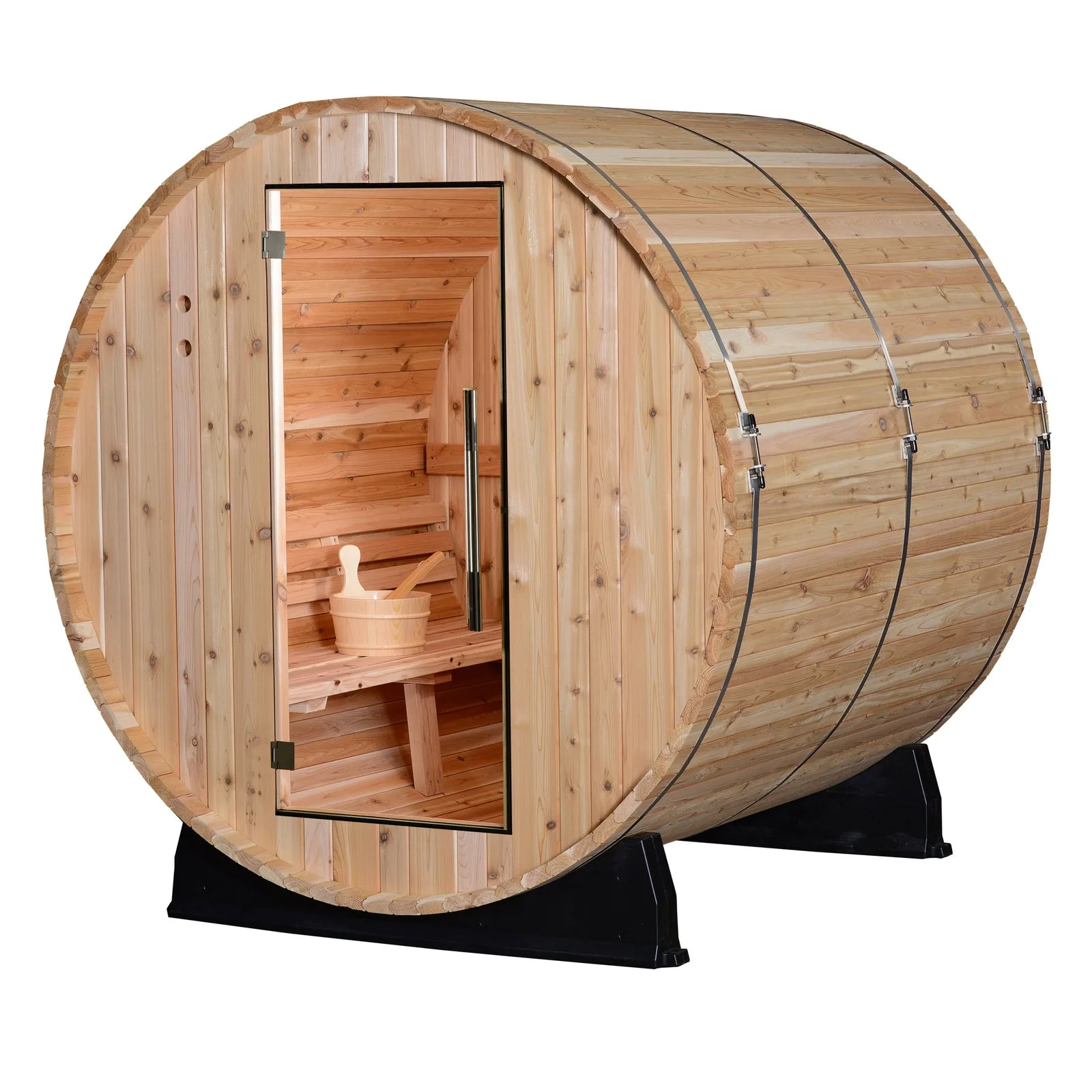
Almost Heaven
Pinnacle Barrel SaunaA backyard barrel sauna for people who want real Finnish heat and a reason to go outside in January.
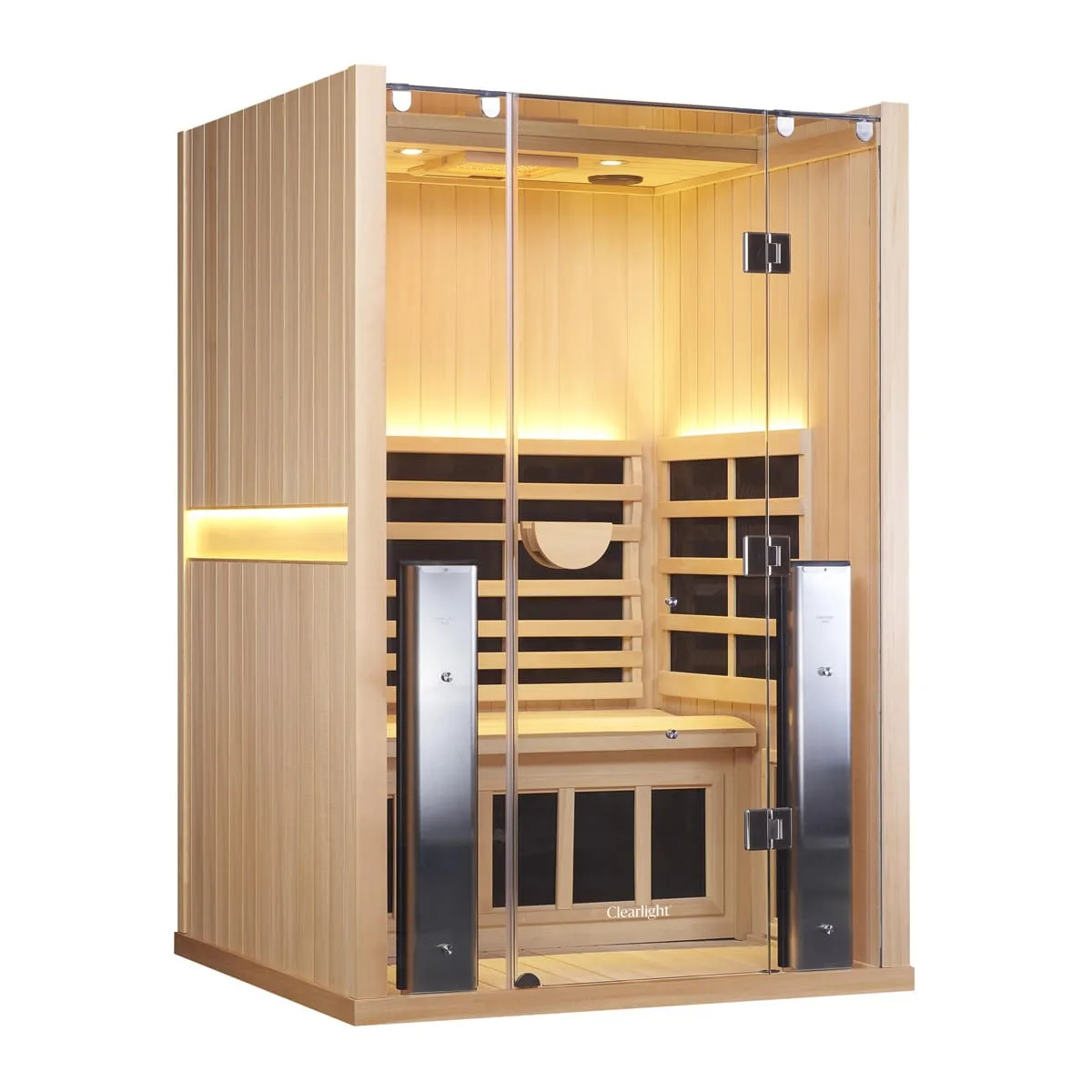
Clearlight
Sanctuary 2A two-person infrared cabin that leads with low-EMF heaters and furniture-grade woodwork.
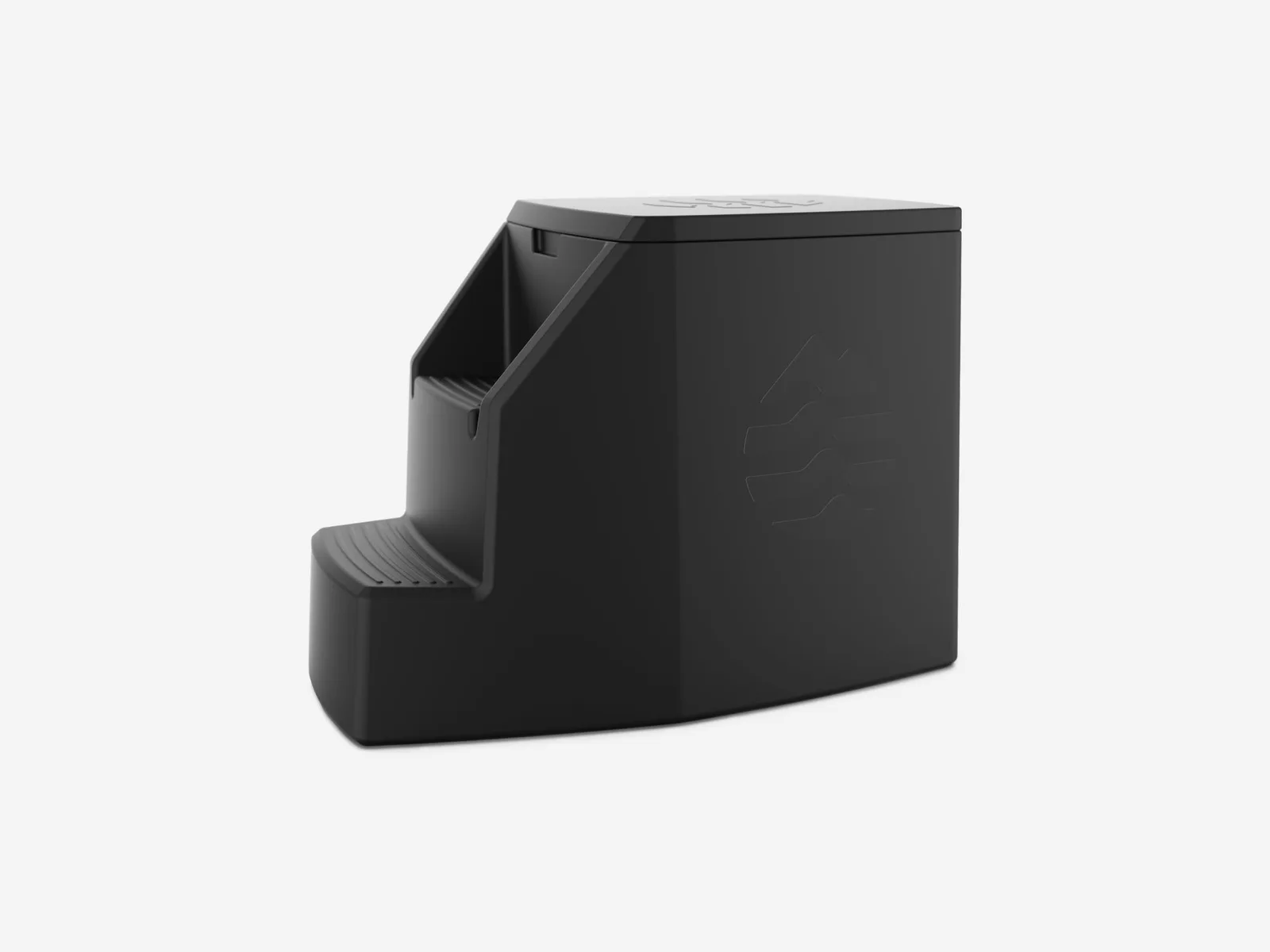
Ice Barrel
Ice Barrel 500 + ChillerAn upright barrel plunge with a chiller, for people who'd rather stop buying bags of ice.
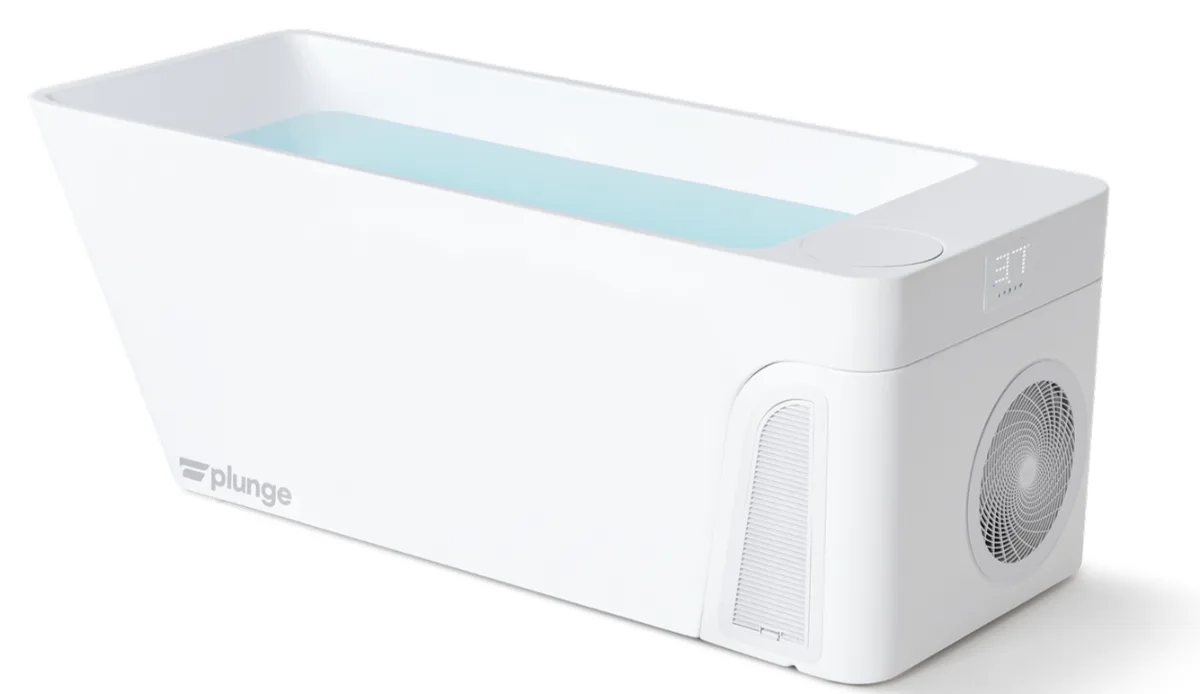
Plunge
All-InA plunge that finally looks like furniture instead of a chest freezer.
Who should buy which first
- Buy the sauna first if you want a daily ritual, care most about long-term health and lift for size.
- Buy the plunge first if you train hard several times a week and soreness is what limits you.
- Lifters who buy a plunge: keep it away from strength days, or at least several hours after the session.
- Anyone with heart conditions, blood pressure issues or who is pregnant: talk to a doctor before either, and never mix sauna and alcohol.
What about contrast therapy?
Alternating hot and cold is pleasant and popular, and plenty of people report feeling great after it. None of the three studies here tested the combination, so we can't say it does more than either alone. If you own both, the lifter rule still applies to the cold half. If you own one, the evidence gives no reason to feel you're missing out by skipping the other.
Questions, answered
Is a sauna or a cold plunge better for recovery?
For next-day muscle soreness, the trial evidence favors cold immersion of about 10 to 15 minutes at 5–15°C. The strongest sauna evidence is about long-term cardiovascular outcomes, not post-workout recovery.
Does a cold plunge kill muscle gains?
A 2024 meta-analysis found cold immersion immediately after resistance training may blunt muscle growth, though the evidence is uncertain. Lifters can avoid the issue by plunging on rest days or several hours after strength sessions.
How often should you use a sauna?
In the Finnish cohort, the lowest risks were seen in men using a sauna four to seven times a week. That study is observational, so it shows an association rather than a proven dose.
Sources
- Laukkanen et al., Association Between Sauna Bathing and Fatal Cardiovascular and All-Cause Mortality Events. JAMA Internal Medicine, 2015
- Wang, Wang & Pan, Impact of different doses of cold water immersion on recovery from acute exercise-induced muscle damage: a network meta-analysis. Frontiers in Physiology, 2025
- Piñero et al., Throwing cold water on muscle growth: a systematic review with meta-analysis of post-exercise cold water immersion and resistance training-induced hypertrophy. European Journal of Sport Science, 2024
About the author
Ellis Ward · Founder & Editor
Ellis started Restalogy to find out which luxury rest and recovery gear actually earns its price, and has used a Herman Miller chair daily for years. Some products here Ellis has used first-hand; the rest are rated from specs, owner reports and the published research.